Global expansion:
Preparing your business for international growth
Expanding into new markets can unlock significant growth opportunities, but internationalisation requires careful planning. From adapting your product and commercial strategy to navigating regulatory environments and building local teams, scaling internationally is rarely straightforward.
This guide outlines some of the considerations founders often face when preparing their business for international growth.
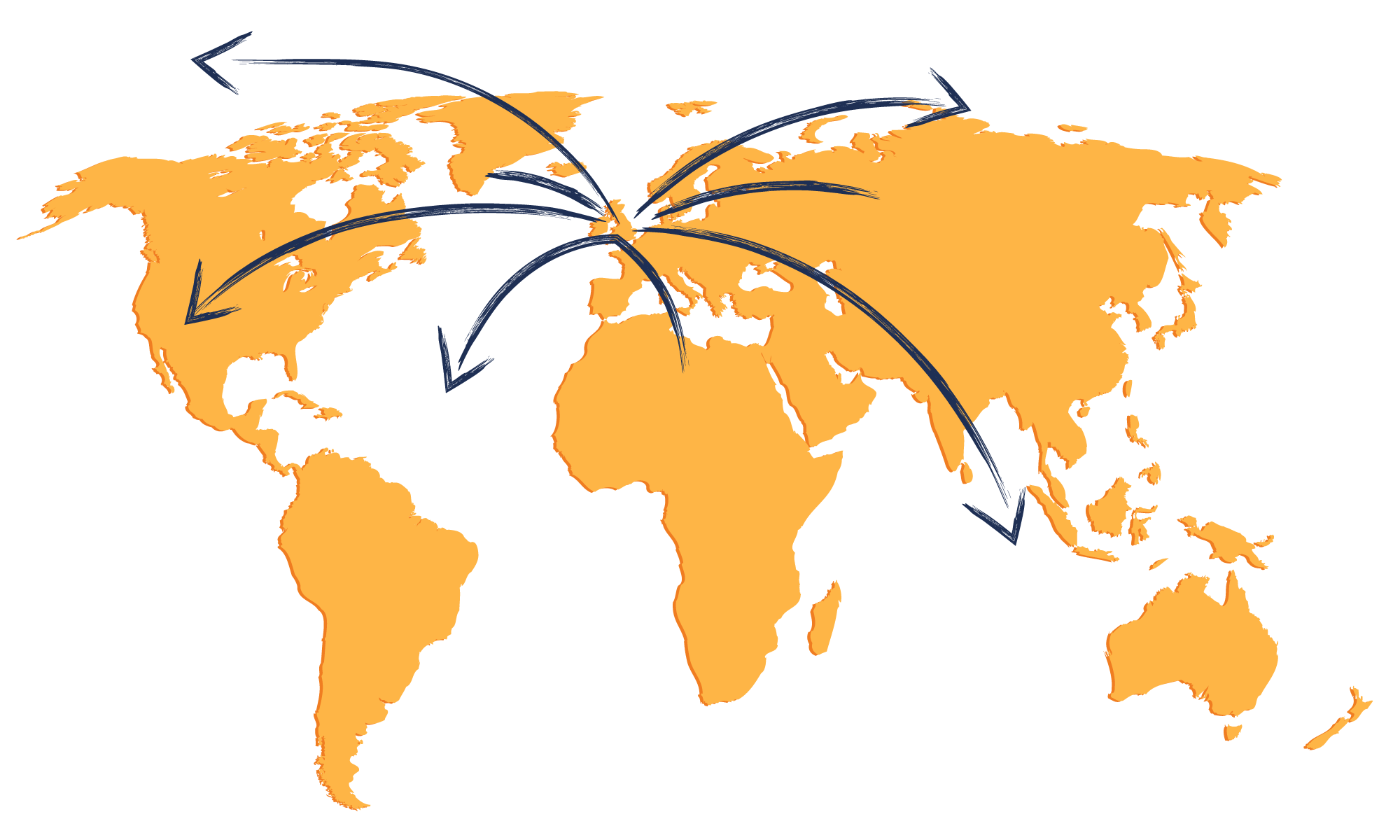
When is the right time to expand internationally?
There is no single moment when international expansion becomes the right decision, but successful companies often demonstrate a few common signals before entering new markets.
Strong product-market fit in the home market
Before expanding internationally, many businesses focus on proving their model domestically. A repeatable sales process and consistent customer demand are often important foundations.
Clear demand from international customers
Inbound interest from overseas customers or partners can be an early signal that your product resonates beyond your initial market.
Operational readiness
International expansion introduces complexity across legal, financial and operational areas. Businesses often benefit from strengthening internal processes before entering new markets.
Leadership capacity
Expanding internationally requires leadership attention. Founders should consider whether their team has the experience and bandwidth to manage this transition.
Core foundations to explore:

How to choose the right market
Selecting the first international market is often one of the most important strategic decisions a founder makes.
Companies frequently evaluate markets based on factors such as:
- Customer demand and market size
- Competitive landscape
- Regulatory environment
For many UK companies, expansion into markets with similar regulatory or commercial environments can provide a manageable starting point.
Explore market choices

Building the right international strategy
Successful internationalisation rarely involves simply replicating a domestic strategy. Businesses often need to adapt elements of their product, pricing or commercial approach to fit local markets.
Key considerations can include:
- Market entry approach
Companies may expand through direct sales teams, partnerships, distributors or digital channels depending on the nature of the product and market. - Local talent and expertise
Hiring people with experience in the target market can help navigate cultural, regulatory and commercial differences. - Customer acquisition
Marketing and sales strategies often need to be adapted for local customer expectations and behaviours.

Managing the operational complexity
International expansion introduces new operational considerations that founders must plan for.
These can include:
- Establishing legal entities in new jurisdictions
- Managing cross-border taxation and compliance
- Navigating local employment regulations
- Supporting customers across different time zones
- Adapting supply chains or infrastructure
Planning these elements early can reduce risk and allow leadership teams to focus on growth rather than operational friction.
Read about legal considerations

The 100-day go-to-market plan
Expanding into the United States represents a critical juncture for any UK company. For founders, it marks not simply a geographic extension, but a significant commercial and organisational shift.
Explore the 100-day plan

Reasons to expand to the US
If you ask founders in the UK where they see opportunity in terms of growth, it’s likely that a significant number will say that entering the US market is a key milestone. Making this move provides a game-changing opportunity for growth, but it isn’t always easy. Expanding to the US comes with a lot of barriers just the intense competition and complex compliance laws that you must get your head around are enough to put many people off. So how do you know if it’s the right choice for your business?
Explore reasons to expand

Reasons why you shouldn’t expand gloablly
Expanding to the US isn’t the best choice for every business. Without sounding pessimistic there a number of big hurdles that you might have to overcome and without doubt, it’s a bit commitment oftentimes needing key senior team members being based in the US, especially in the early days.
Explore reasons to delay
Not sure if you’re ready to expand globally?
Internationalisation isn’t for everyone. Explore our global expansion readiness checklist to assess if it’s right for your business.
A deeper guide to international expansion
If you’re exploring international growth in more detail, we’ve created a practical guide for founders covering common challenges when entering new markets.
The guide explores topics including:
- Choosing the right first international market
- Building commercial teams abroad
- Managing operational complexity
- Lessons from founders scaling internationally

Key takeaways
Expanding into new markets can unlock significant growth, but successful internationalisation usually requires thoughtful preparation. Founders often benefit from keeping a few key principles in mind:
- Ensure strong foundations at home
- Choose markets deliberately
- Adapt your strategy locally
- Build the right team
- Plan for operational complexity